Purpose-driven Consumer: Preparing For Baby
BLOG
BLOG

Not the type of words you like your wife to greet you with as you walk through the door. A million things raced through my mind as I tried to decipher why I was in trouble. The look on her face was strange, not mad—almost happy—like a horrible poker player trying to bluff with a great hand. Then she broke and hit me with the best news ever—she was pregnant!
Our search history quickly shifted from planning our trip to Belize to pregnancy sites and blogs. As we read up on our new adventure, reality started to sink in. Rather than learning about the joy of birth, we started to learn that so many seemingly harmless things can be dangerous to your baby:
The list went on and on! As we slogged through this quagmire of information, we tasked ourselves with trying not only to give our new baby the best chance at being healthy but also do it in a responsible, eco-friendly way.
The following is a quick guide to what we learned and how we are trying to approach parenthood in a purpose-driven way.
Start your research as soon as the doctor confirms that a “baby is on board.” You will have more time and energy to put into research before your bundle of joy arrives. Educate yourself on everything you use on or around your baby as it could affect their health. From shampoo to crib mattresses, find out how, where and what it’s made of, and don’t forget to read all the ingredient labels to make sure products are made from organic sources. (So many household items emit VOC’s—it’s scary.)
This is also a great time to look into companies and see where they stand on corporate social responsibility (CSR). Are their products made from sustainable materials? Are they reducing their carbon footprint? Where do they stand on ethical labor practices? How do they give back to society? Every purchase you make is a vote for the product/brand you want to support.
Some sites we found useful were:
Organic, environmental-friendly baby products:
You are sent home from the hospital with a package of disposable diapers to get you through the first few days. Hopefully by this point you know what route you are going with diapers and have the supplies ready at home—because you will be changing a lot of them—roughly 9,000 before your child is potty-trained.
20 Billion disposal diapers are sent to the landfill every year.
Cloth diapers – Cloth diapers have come a long way in the last decade. New designs, inserts, covers and sizes make them easier to clean, fit your baby better, and they are cute. Commercial diaper cleaning services are even popping up in most cities. Like everything, they still have their pros and cons: most childcare centers require disposable, cloth may be impractical for long hours of traveling and the initial cost outlay is greater. But the upside is they have 53% of the ecological footprint of disposables—and with a laundry service that impact is halved again. Cloth diapers can also be passed down to future generations, or in our case, tight friend circles.
Disposables – Ease of use is the name of the game. But this convenience comes at a price, the EPA reports that over 20 billion disposable diapers are dumped in U.S. landfills each year, accounting for more than 3.5 million tons of waste. Depending on the study, disposables take 100-500 years to breakdown in landfills. Many brands are now making disposables out of recycled materials, helping cut down the impact. But even these so-called “green” diapers can contain petroleum gels and may not break down in landfill conditions. So—again—make sure to do your research.
The annual U.S. diaper waste could go to the moon and back 8 times.
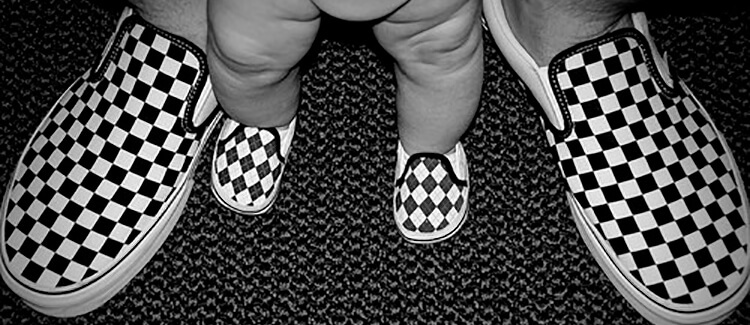
People love buying baby clothes, from onesies to shoes, the smaller the better. The reality is your baby will be growing fast, and all those super small outfits will only fit for a few weeks. Picking up clothing second-hand works well—we were lucky to have several friends that passed down their “basically new” clothing. Even if outfits are short-lived, try to find clothes that are made with natural fibers. It can be more costly, but you will sleep easier knowing you are taking action to reduce health risks to your baby.
Some fabrics to avoid are:
Nylon and polyester – Usually made with petrochemical based additives, they can omit VOC’s.
Rayon – Even though it’s made from wood pulp, the material has to be chemically treated before use. The carbon disulphide used in this process can cause nausea, chest and muscle pain.
Flame-retardant – You would hope that this would be a good thing, but flame-retardant clothing found in pajamas and bedding can emit levels of formaldehyde gas.
Furniture can also be a great way to go green. Many companies are using sustainable materials like bamboo and hardwoods to create beautiful nursery sets.
Like everything, there are levels of concerns and safety to consider before making this large purchase. If you choose to refinish a secondhand crib, make sure you steer clear of paints that may contain VOC’s.
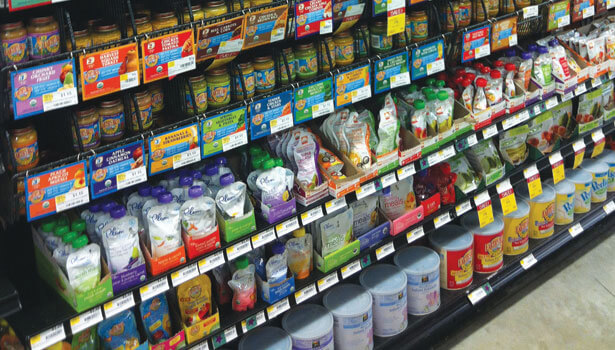
As with so many things these days, everything is disposable—use it once and toss it out. Take a quick walk down any store aisle for baby or child items (especially food) and a sea of individually wrapped items greets you. Reducing the amount of waste, even of recycled materials, is the best route to take. Look for companies that minimize their packaging or buy in bulk when it is appropriate.
For food, shopping locally can help this tremendously. Not only is it better for your community, local food (especially organic) doesn’t have the need for preservatives or packaging to keep it fresh until it hits store shelves.
Reusing, items can help the planet and your pocketbook. Having babies brings along a plethora of items that you will only use for a short time. Try to pass them along to someone else to keep them out of the landfill.
This is only a small taste of the things you should consider as you prep for parenting. There are endless websites, books and free advice from everyone you meet about raising a baby. My wife and I are trying our best, but when reality sets in, we strive for the 80/20 rule (making smart/green choices 80% of the time). I think we are on track and modeling good behavior for our girls—teaching them how to be healthy and responsible to the environment, and supporting companies that align with our values in the process.
Blog
Even small businesses can offer big benefits.
Blog
We land on a global list for the most overall positive employee impact.
Blog
Let's go - we're building on our heritage and doubling down on purpose-driven work.