Sustainability Reporting: It's Clear, It's Here, Get Used to It
BLOG
BLOG

Today’s consumers and investors are increasingly looking at a company’s “triple bottom line”—people, profit, and planet. Savvy companies get this. They’re keenly aware of brand and image, and don’t want any appearance of an “ethics deficit.” They’re realizing that awarding a corporate gift here and there is now only part of the equation; to truly “matter” to their various stakeholders, they must also make a positive impact on the customers and communities they serve. Enter the corporate sustainability report (CSR), which incorporates everything a company is doing around the other “CSR”—corporate social responsibility.
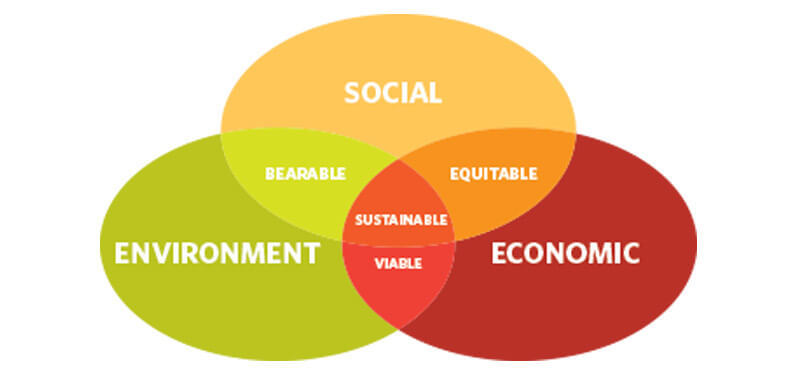
What started as a “nice to have” (or in some cases a “forced to have”) has now become an essential communication vehicle for companies and organizations worldwide. Amidst initial hand wringing and fears of too much transparency, the corporate sustainability report is on track to replace (or at least integrate with) the traditional annual report. This is a good and necessary thing, and would certainly provide a more holistic view of a company.
Pick up most any annual report and you’ll find eight to 10 pages of preamble before you get to the real meat and purpose of the report—Form 10-K. Much like a cigarette is only a vehicle to deliver nicotine, the annual report is a 10-K delivery system. Corporate writers and/or outside agencies spend countless hours drafting and designing them, and investor relations emissaries carry them to and fro in the hopes of luring new money, but they often fall flat on the average investor. And that’s a shame.
This is where the sustainability report can really shine. Done well, it can excite readers by highlighting innovative or experimental company initiatives. It can also lay the company bare by showing its shortfalls and inefficiencies, and targets that were set but not met. This sort of transparency can be a tough sell internally, but today’s consumers and investors are demanding it, and a smart company can gain a lot from an honest, well-executed report. Got a hot-topic issue within your organization? Are you trying your best to avoid it? That’s probably not going to work. You can either get ahead of it and tell your story first or an outside entity will tell it for you. A sustainability report can be your outlet and serve as a tremendous vehicle for improvement.
Look at it from a sports angle: Much like a football game, a company’s financial and ethical performance is very much in view. If you’re paying attention, it’s pretty obvious how well they’re doing. Now let’s take the losing coach who’s forever saying all is well, the team is on the upswing, etc. On the other hand, the coach could give it to you straight: We’re strong in some areas but we know there are others where we can improve and here’s how we’re going to do it. Which coach are you going to trust? This is where the sustainability report can engender trust and confidence in a company that’s either on the right track or working hard to get there.
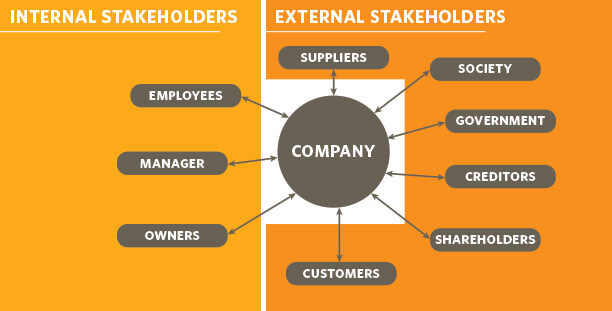
One stakeholder group we haven’t discussed is the internal audience—aka your employees. It is absolutely critical that employees believe in your organization’s sustainability efforts and get on board. They can be your most fervent evangelists or look upon your efforts as simple “greenwashing.” Sustainability must become an integral part of your company culture and day-to-day operations, and employees need to understand they play a role. Keep them informed of your efforts, ask for their input and use the report to highlight their achievements
It’s clear that companies can no longer hide from a sustainability report, so what does the future hold?
“Many companies are now seeing an opportunity for business optimization by combining the annual and sustainability reports,” says John Bernardo, sustainability strategist for Idaho Power, the state’s largest public utility. “I think that type of integrated report will become much more common in the years to come.”
Full disclosure: John and I worked together for several years. We co-authored Idaho Power’s inaugural sustainability report and went on to write three more together. The first report was highly scrutinized and there were times when I wasn’t sure it would ever see the light of day. But as the company moves toward its fifth year of reporting, I don’t see it going away—for Idaho Power or any large entity. Neither does John.
“Sustainability reporting will only continue to grow in prominence,” John said. “It is an expectation by Wall Street analysts, so it’s not going away.”
In the years to come, sustainability reporting will be even more common—perhaps even mandatory in some parts of the world—and the content may become more uniform as more entities adopt the Global Reporting Initiative (GRI) standards and reporting framework. While other groups have emerged with their own reporting guidelines and structure, the GRI remains—for now—the de facto standard. Expect companies to follow their lead for some time to come.
What’s not going to remain static is the reports’ delivery mechanism, which will have to morph and adapt to the digital age. A shift to digital will enable faster and easier dissemination of information, and operating in a real-time environment will allow companies to keep that info up to date and report on events as they happen. Even today it seems odd that a report goes to print and a full year passes before the information is updated.
Companies also will likely be held accountable not only for what they’re doing today, but also for their future plans for societal and environmental stewardship. What are they doing to address climate change and the potential impacts on their business, their stakeholders and the environment? How do they intend to ethically manage their supply chain not next year, but 10 years down the road? What about economic development and wealth distribution? It will simply not be enough to report on what you did the past year and what you aim to do in the year to come.
Stakeholders also are beginning to hold entities accountable for their indirect impacts via their partners. This leads to a fairly likely (and positive) scenario where companies begin to draft their reports collaboratively and work directly with their partners and stakeholders.
Want to see some good examples? Try Ford Motor Company. Their latest report takes a deep dive into their supply chain and doesn’t shy away from contentious issues. Nike also does a nice job, with a report that features clear-cut goals and an honest appraisal of their progress. For a look into the future of integrated reporting, look to Bayer AGwhich since 2013 has combined its annual and sustainability reports.
It’s certainly an exciting time to be involved in sustainability reporting and corporate social responsibility. Businesses are realizing that responsible, sustainable business practices can have a positive impact on the bottom line. They’re realizing they have interesting and engaging stories to tell. And they’ve come to understand that sustainability isn’t just “greenwashing”—it’s about reputation and the triple bottom line.
Have a sustainability report or initiative that could use some outside help? We’ve got experience and would love to discuss it with you. Write us at info@oliverrussell.com.
Blog
We chronicle 12 months of measurable impact in our first public benefit report.
Blog
Practicing and measuring CSR will gain importance in the year(s) to come.
Blog
Newsflash: Social responsibility isn't limited to corporations.